
KLAIM LIMITED
Work

Portfolio

Three sequences show how the work is looked at. Each one is a capability demonstration or a representative scenario. None of them names a client or reports a measured result.

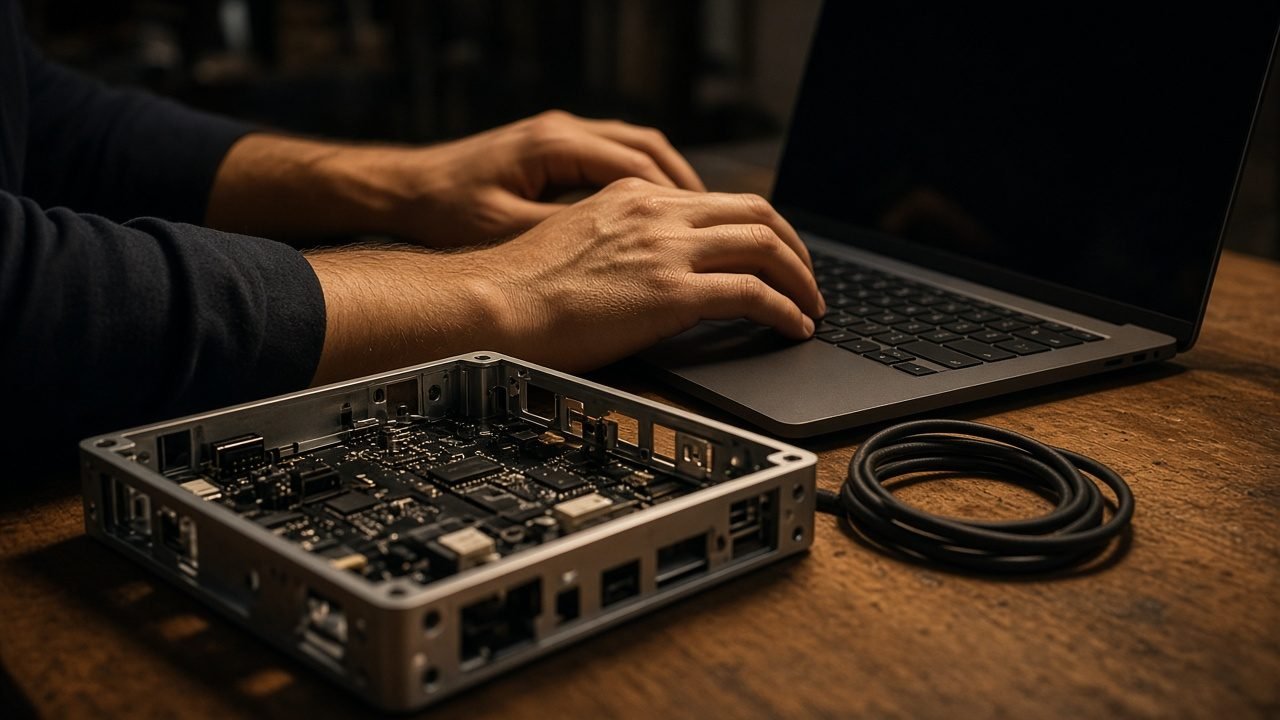
A workbench with an open chassis in the foreground and hands at a laptop.

Capability demonstration

Software beside the hardware it serves

Context

A business often asks for a program while the physical system — a device, a small server, a network point — is still being handled on the same bench. This sequence places those two views together.

Technical work

The demonstration stands in for custom software programming and computer systems design. The wide frame is the workspace. The second frame is the connection. The square frame is the drawing used to decide what the software is allowed to assume.

What this supports

It supports a conversation about scope: what is being programmed, what is only being connected, and what must be drawn before either starts. It does not report a delivery, a saving, or a client outcome. A commissioned project would replace these photographs with that project’s own material.
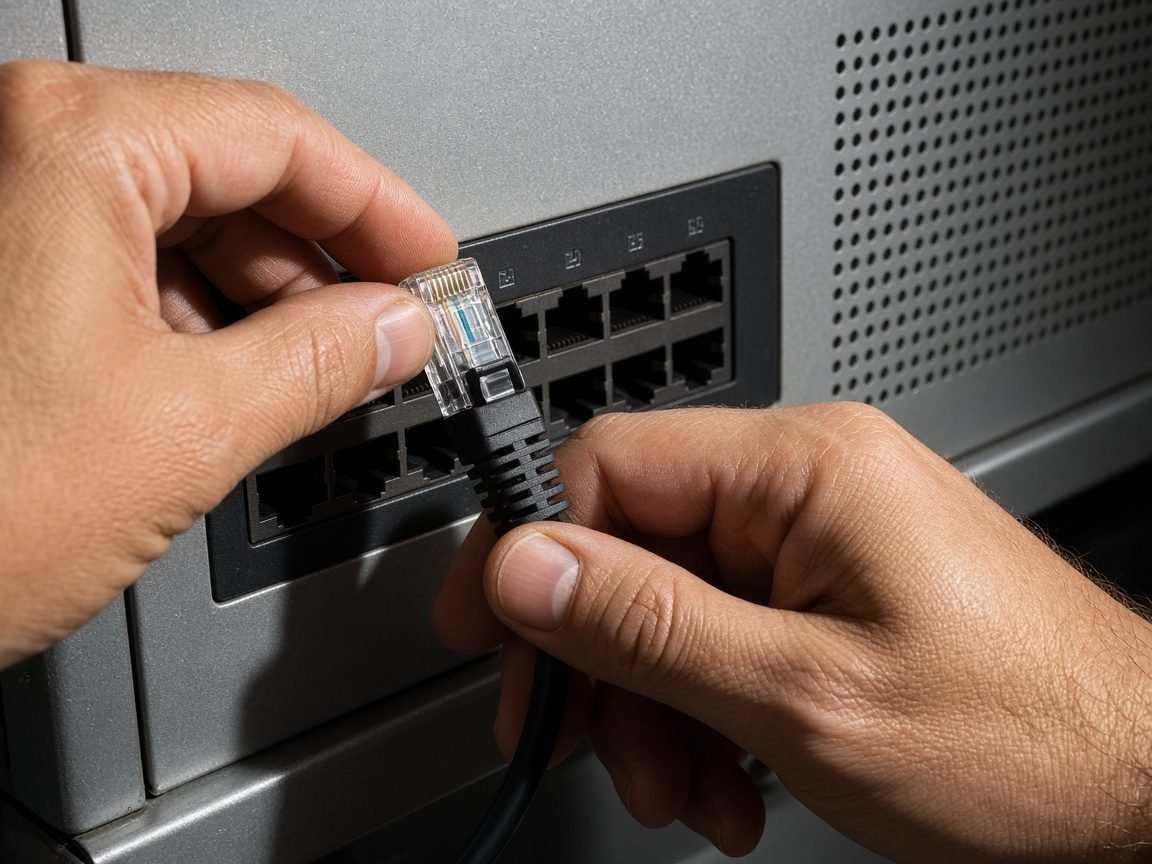

Hands inserting an ethernet plug into a port panel.
Pencil and ink diagram of a system, tightly cropped.

Representative scenario

Printed abstract charts held over a dark desk beside a monitor edge.

Representative scenario

Data next to media technology

Context

Advertising and marketing systems produce records, and those records are only useful if something processes them. This scenario shows the two ends of that brief without pretending they are one product.

Technical work

One side is data processing and analytics: a physical review of records, away from a live dashboard. The other side is digital advertising, MarTech, and media tooling, represented by the instruments used to capture and carry creative. Public relations platforms and digital marketing technology sit in the same family of work when the brief includes them.

What this supports

It supports a specification that names the records, the media systems, and the integration between them. No audience size, no spend, and no campaign result is stated, because this is not a reported campaign. The related services are described on the services page.

A camera and a phone held against a flat saffron backdrop.
Hands looping a braided cable on a wooden surface.

Technical approach

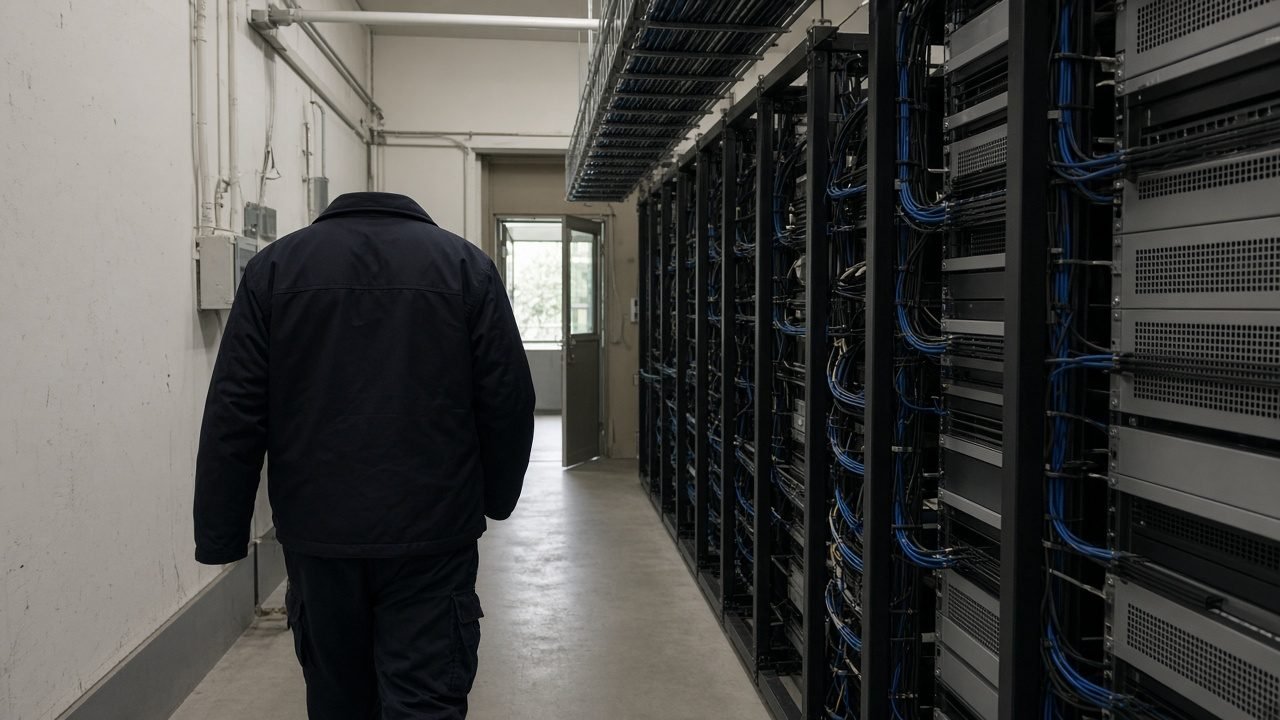
A person seen from behind walking along a row of equipment racks.

Technical approach

Hosting looked at from the room

Context

Cloud and web hosting is often discussed as a diagram. The approach here starts from the room, the rack, and the cabinet, then names the architecture that has to be decided in writing.

Technical work

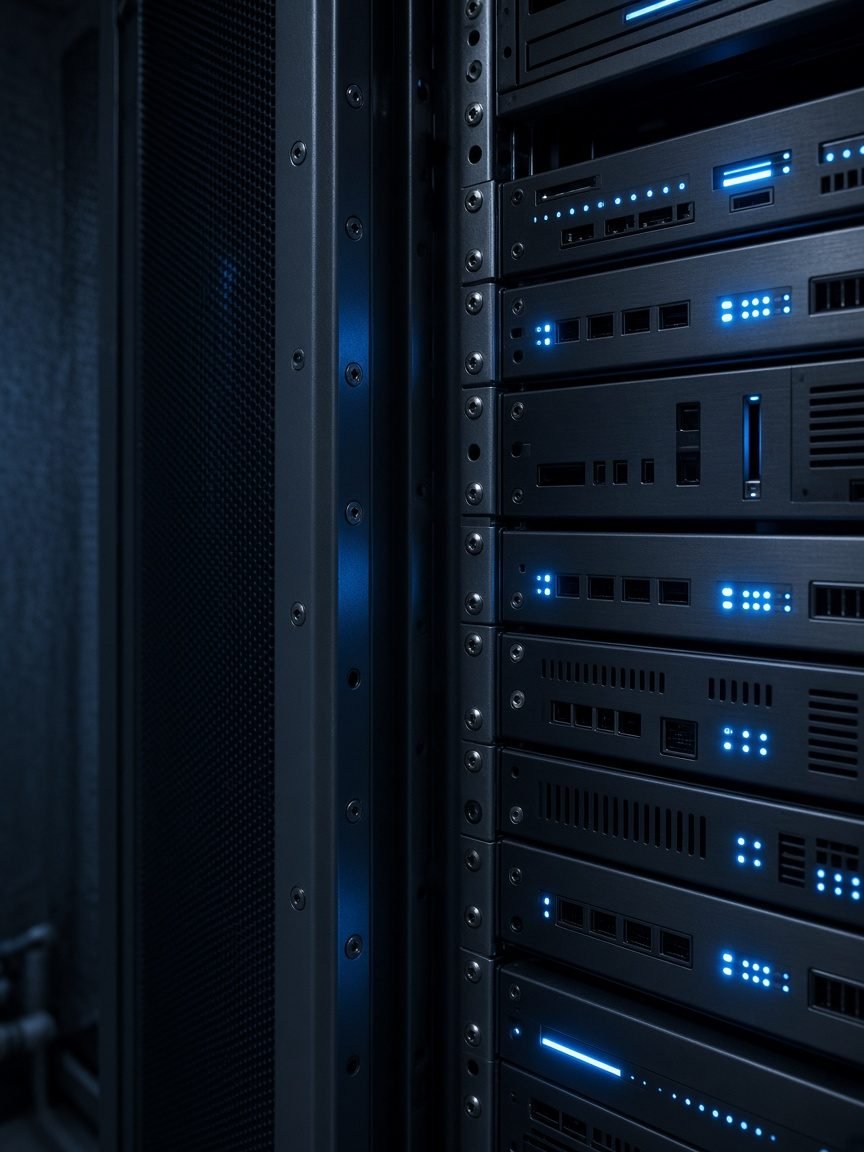
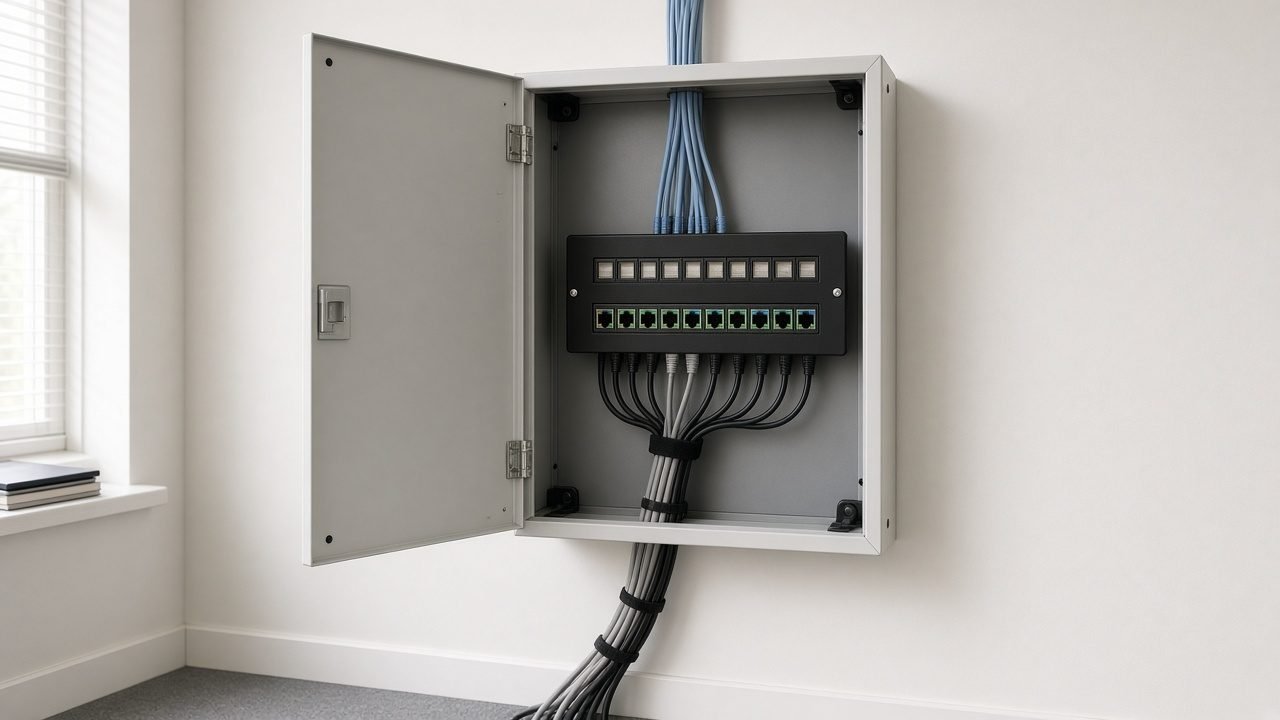
The sequence represents cloud and web hosting infrastructure, web architecture, and system maintenance. The wide frame is the aisle. The tall crop is the equipment. The cabinet is the scale of many business installations: a patch field, a small set of cables, a door that closes. Enterprise API integration belongs in the same approach when those cables stand in for interfaces between systems.

What this supports

It supports an infrastructure brief that distinguishes a hosting decision from a software decision and from a support arrangement. No uptime figure is given. Maintenance is only in scope when the engagement says so. IT consulting can be the document that holds those distinctions before anything is changed.

Vertical crop of rack equipment with narrow blue indicator lights.
Open wall cabinet showing a patch panel and tied cables.